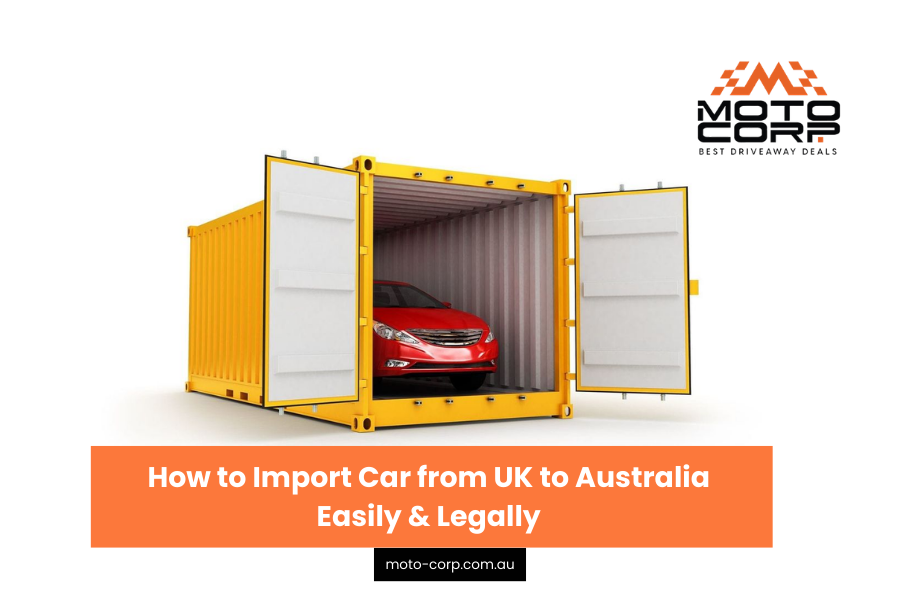
Importing a car from the UK to Australia can feel like a big undertaking, but with the right preparation, it’s entirely doable and often worthwhile if you’re relocating, chasing a specific right-hand-drive model, or eyeing a classic. Many people successfully bring their vehicles over each year, especially when moving permanently or returning as Australian residents.
The process is governed by strict rules under the Road Vehicle Standards Act 2018, managed mainly by the Department of Infrastructure, Transport, Regional Development, Communications and the Arts (often shortened to the department or DITRDCA), the Australian Border Force (ABF) for customs, and biosecurity authorities. The key is getting everything approved before shipping, jumping ahead can lead to hefty storage fees or even the vehicle being refused entry.
Here’s a practical, step-by-step breakdown of how to handle it legally and as smoothly as possible in 2026.
Step 1: Check If Your Car Is Eligible
Not every UK car can come to Australia easily. The biggest hurdles are compliance with Australian Design Rules (ADRs) for safety, emissions, and other standards, plus biosecurity cleaning requirements.
- 25-year rule — If your vehicle is at least 25 years old (from manufacture date or significant compliant modifications), it’s usually simpler. These often qualify for concessional entry onto the Register of Approved Vehicles (RAV) with fewer modifications needed.
- Personal import (most common for UK movers) — If you’ve owned and used the car overseas for at least 12 months, plan to stay in Australia indefinitely, and bring it within 12 months of arriving, you may qualify under the personal effects or transfer of residence rules. This often allows duty-free entry if criteria are met.
- Newer vehicles — Modern UK cars rarely meet ADRs without expensive mods (e.g., lighting, speedo in km/h, child restraint points). Unless it’s already compliant or you go through full type approval (rare for individuals), approval is tough.
- Other options — Special cases include vehicles for film production, testing, or reimporting an Aussie car you took to the UK.
Start by using the department’s online eligibility quiz or checking ROVER (their portal at rover.infrastructure.gov.au). Research thoroughly as many people discover mid-process that their dream car won’t pass without major work.
Step 2: Apply for Vehicle Import Approval
This is non-negotiable. Importing without approval is an offence under Section 22 of the RVSA.
All applications go through ROVER. You’ll need:
- Proof of ownership (UK V5C logbook)
- Vehicle details (VIN, make, model, year)
- Evidence for your category (e.g., ownership duration for personal imports)
- Possibly asbestos declaration (common in older UK cars)
Approvals include:
- Concessional RAV entry (for road use)
- Non-RAV entry (limited use)
- Reimportation
Processing usually takes 15–20 working days, sometimes longer. Fees are modest (around $50–$100), but don’t ship until you have this in hand.
Step 3: Prepare the Vehicle in the UK
Biosecurity is strict; Australia doesn’t want pests, soil, or seeds.
- Professional clean: Steam-clean undercarriage, engine bay, wheel arches, interior. Remove all personal items.
- Asbestos check/removal: Many older UK cars have it in brakes or gaskets, get certified testing.
- Export docs: Arrange deregistration if needed, get transit plates.
A specialist UK exporter or shipper can handle this to avoid quarantine holds on arrival.
Step 4: Arrange Shipping
Shipping from the UK to Australia typically takes 6–10 weeks, depending on route and method. Main ports: Fremantle (Perth), Melbourne, Sydney, Brisbane.
Popular options in 2025–2026:
- Shared container (R-Rak or similar) — Often the cheapest, starting around £1,100–£1,300 GBP for standard cars (higher for SUVs/4x4s).
- Roll-on/Roll-off (RoRo) — £1,500–£1,900 GBP, straightforward but vehicle exposed.
- Dedicated container — £2,800+ GBP for max protection.
Add marine insurance (£200+), port fees, and possible door-to-port collection. Many shippers offer weekly sailings from Southampton or London.
Pro tip: Get quotes from a few reputable companies—prices fluctuate with fuel, demand, and season.
Step 5: Handle Customs, Duties, and Taxes on Arrival
Once the car docks, it needs clearance.
- Lodge import declaration via a customs broker (highly recommended—avoids headaches).
- Pay duties/taxes (unless exempt):
- Customs duty — Typically 5% of customs value (vehicle cost + shipping + insurance). Thanks to the UK-Australia Free Trade Agreement, many passenger vehicles qualify at this rate.
- GST — 10% on (vehicle value + duty + freight/insurance).
- Luxury Car Tax (LCT) — 33% on value over the threshold (around AUD $80,567 for standard vehicles in 2025–26; higher for fuel-efficient models).
- Biosecurity/quarantine — Inspection fees if cleaning isn’t up to scratch and can add thousands if intervention needed.
For personal imports meeting transfer of residence rules (12-month ownership, etc.), you can often get duty and GST waived leading to huge savings.
Step 6: Final Compliance, Registration, and Road Use
After clearance:
- Modifications if required (e.g., conversions for ADR compliance).
- State/territory registration-each has rules (e.g., roadworthy inspection).
- CTP insurance and plates.
Total timeline from application to driving: 3–6 months, depending on approvals and shipping.
Realistic Costs Breakdown (2026 Estimates)
- Shipping: £1,100–£3,000+ GBP
- Import approval/fees: $100–$500 AUD
- Customs duty + GST: 5–15%+ of landed value (potentially $0 if exempt)
- LCT (if applicable): Substantial for premium cars
- Cleaning/quarantine/mods: $1,000–$5,000+ AUD
- Broker/port/registration: $1,000–$3,000 AUD
Grand total often lands $5,000–$15,000 AUD beyond the car’s value—cheaper for classics or duty-free personal moves, pricier for newer models needing work.
Tips to Make It Easier
- Use a full-service importer or broker—they handle approvals, shipping, customs, and compliance.
- Start early—get import approval first.
- Compare buying locally vs. importing—sometimes the hassle outweighs savings unless it’s a unique or cherished vehicle.
- For temporary stays (tourists), consider a CPD carnet instead—no permanent import needed.
Importing your UK car can be rewarding, whether it’s sentimental value or accessing models not sold here. If you’re serious about the process and want expert help navigating approvals, shipping, and compliance, reach out to specialists like Moto Corp. They focus on making vehicle imports from the UK straightforward and fully legal, handling the details so you can focus on settling in.
Safe travels. Australia’s roads are waiting.
Leave a Reply